Dog Waste Disposal in 2026: A Practical Guide to Bags, Bins, and Safe Methods
Picking up after your dog feels like a small chore, but done wrong it becomes a health and environmental problem. Proper dog waste disposal protects your family, your yard, and the water your neighborhood drinks and swims in. In this 2026 guide I share what actually works, drawn from years of managing waste for a multi-dog household and a shared community green space.
Why Dog Waste Disposal Matters More Than You Think
A single gram of dog waste can hold millions of fecal coliform bacteria. When rain washes those droppings into storm drains, the bacteria flow untreated into creeks, lakes, and beaches. The U.S. Environmental Protection Agency lists pet waste as a documented contributor to water pollution, and you can review their guidance on the EPA Nutrient Pollution page.
There is a health angle at home too. Dog waste can carry roundworms, hookworms, and giardia, all of which linger in soil long after the visible mess is gone. Children playing barefoot and pets sniffing around are the most exposed. Prompt, correct disposal breaks that cycle.
Is it really that bad to leave it in the yard?
Yes, and this surprises people. Dog waste is not fertilizer; it is too acidic and pathogen-heavy to nourish grass, and it often burns lawns instead. Left to sit, it seeds your soil with parasites and drains bacteria into groundwater every time it rains.
Choosing the Right Bags for Dog Waste Disposal
The bag is your first line of defense, and not all bags are equal. The two big categories are biodegradable bags and heavy-duty bags, and each has a proper use case. Picking the wrong one leads to leaks, tears, or false eco-confidence.
Biodegradable and compostable bags
These break down faster than conventional plastic under the right conditions, which matters if your municipality composts pet waste. Be careful though: a bag labeled biodegradable still needs oxygen and microbes to degrade, and it will not break down in a sealed landfill. Certified compostable bags are the more honest choice when composting is genuinely available.
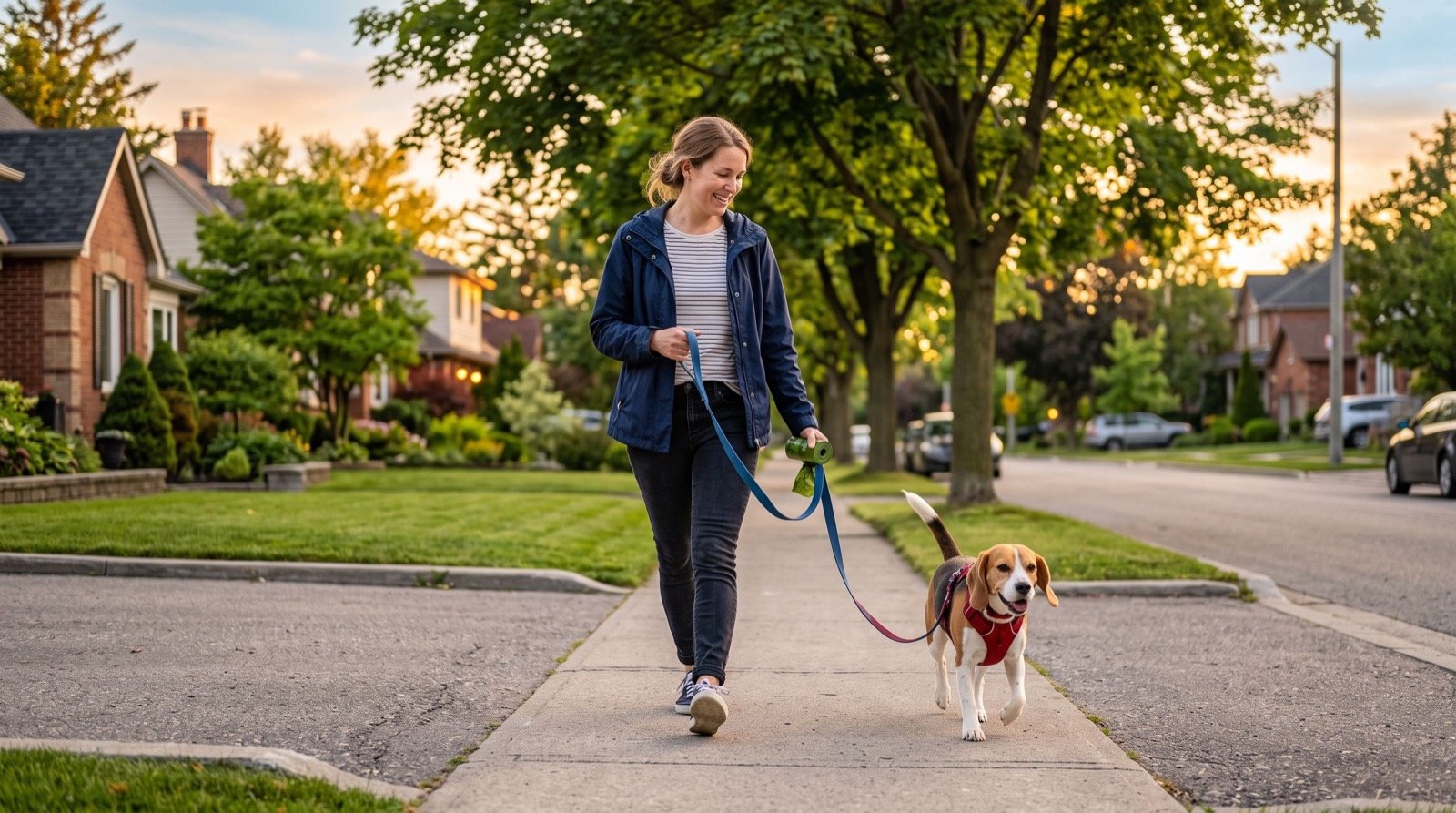
For everyday walks, a reliable Dog poop bag that resists punctures keeps the job clean and odor-free. Thin bargain rolls tear at the worst possible moment, so pay a little more for thickness.
Heavy-duty bags for backyard and bulk cleanup
When you are clearing a whole yard or emptying a bin, small walk bags will not cut it. This is where thicker liners earn their keep. A set of heavy duty garbage bags handles weekly backyard cleanups without splitting, which saves you from the nightmare of a bag failing mid-carry.
Bags, Bins, and Methods Compared
Different situations call for different tools. Here is how the main dog waste disposal options compare on cost, effort, and environmental impact.
| Method | Best For | Effort | Eco Impact |
|---|---|---|---|
| Bag and curbside trash | Daily walks | Low | Moderate |
| Backyard in-ground digester | Single-dog yards | Medium | Low |
| Municipal pet-waste composting | Where available | Low | Very Low |
| Flushing (bag-free) | Homes on sewer lines | Medium | Low |
Notice that no method is zero-effort and zero-impact. The goal is picking the lowest-impact option your situation allows, then doing it consistently.
Disposal Do’s and Don’ts
Even careful owners make avoidable mistakes. Keep this short list handy until it becomes second nature.
- Do bag waste promptly on walks and tie the bag securely.
- Do check whether your city offers pet-waste composting.
- Don’t toss waste into storm drains or gutters, ever.
- Don’t add dog waste to a backyard vegetable compost pile.
- Don’t flush plastic bags, even ones labeled flushable.
The single worst habit is the storm-drain toss, because it sends pathogens straight to open water with no filtration. Treat every drain as a direct pipe to your local creek, because that is exactly what it is.
Setting Up a Backyard Bin System
If you have more than one dog, a dedicated backyard waste station saves time and keeps odor contained. Setting one up is straightforward, and doing it in order avoids rework.
- Choose a shaded spot away from vegetable gardens and water sources.
- Install a sealed bin or an in-ground pet-waste digester.
- Line it with heavy-duty bags if you use a lift-out bin.
- Add waste daily and keep the lid closed to control smell and flies.
- Empty on your regular trash schedule, double-bagging in warm months.
For sourcing bins, liners, and cleanup gear in bulk, partnering with trusted professionals is cheaper than piecing a kit together from random pet-store runs.
How do you stop a waste bin from smelling?
Keep the lid sealed, empty it at least weekly, and sprinkle a little baking soda between layers. Placing the bin in shade slows bacterial growth and cuts odor noticeably. Rinse it monthly with a diluted vinegar solution rather than harsh bleach.
Frequently Asked Questions
Is dog waste disposal really necessary for a small dog?
Absolutely. Bacteria load is not proportional to breed size in a way that makes small-dog waste safe. The same parasites and coliform bacteria apply, so consistent dog waste disposal matters regardless of how little your dog is.
Are biodegradable bags better than regular ones?
Only if they actually break down where you dispose of them. In a sealed landfill, most biodegradable bags degrade slowly. If your area offers composting, certified compostable bags are meaningfully better; otherwise a strong standard bag reduces litter risk.
Can I flush dog waste down the toilet?
You can flush the waste itself if your home is on a municipal sewer system, but never flush the bag. Homes on septic systems should avoid flushing dog waste, as it can overload the tank.
What should I do with waste on a long hike?
Pack it out in a sealed, odor-resistant bag, just as you would carry out any trash. Burying it near trails or water sources spreads parasites into wild habitats, so a durable bag clipped to your pack is the responsible move.
Final Thoughts on Smart Dog Waste Disposal
Good dog waste disposal is simple once you build the habit: bag it promptly, choose the right bag for the job, and use bins or composting instead of storm drains. These small choices protect your family from parasites and keep your neighborhood waterways clean for everyone.
Start today by stocking quality bags and setting up a proper backyard bin. A little preparation turns a dreaded chore into a quick, clean routine, and it makes a real difference for your health and your community in 2026.