Cash App Guide: Personal Finance Tips for Everyday Payments in 2026
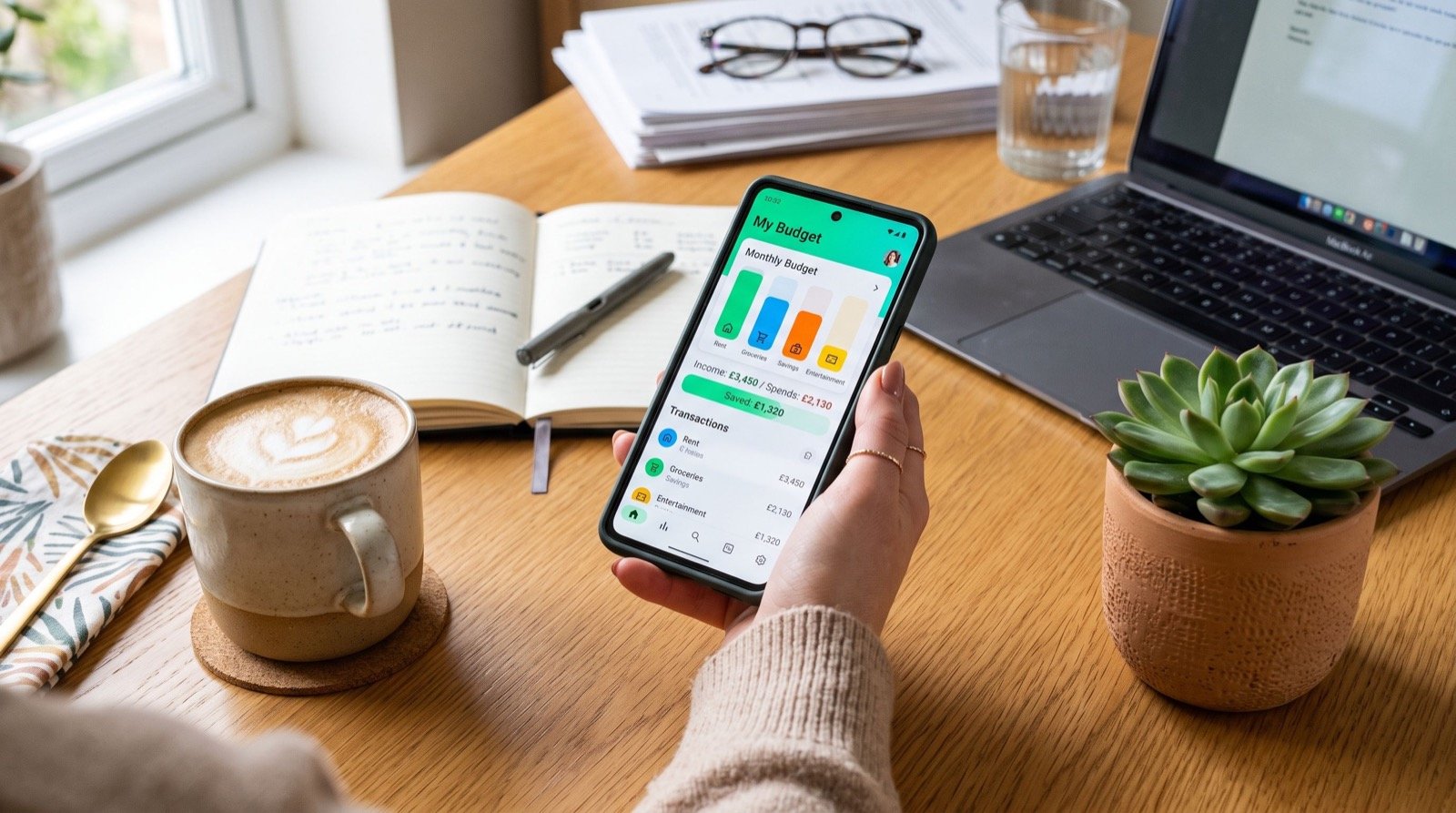
A solid Cash App guide is worth more in 2026 than most people realize, because peer-to-peer payments have quietly become the default way people settle up for everyday life — splitting a utility bill, paying a neighbor for yard work, or sending a deposit to a local contractor. Along with good personal finance tips, knowing how to use these apps safely and efficiently can save you real time and real money every single week.
This guide walks through how peer-to-peer payment apps actually work, where they shine compared to a bank transfer, and how to combine them with sensible personal finance habits so small, frequent payments never quietly drain your budget.
How Peer-to-Peer Payment Apps Changed Everyday Spending
A decade ago, paying someone for a small service — mowing a lawn, fixing a leak, watching a pet for the weekend — usually meant cash or a check. Now it almost always means opening a payment app and sending funds in seconds. That speed is genuinely useful, but it also means money leaves your account faster and with less friction than ever, which makes tracking it afterward just as important as sending it in the first place.
The habit worth building is simple: treat every peer-to-peer payment like a transaction that belongs in your monthly budget, not a side payment that happens “off the books” of your regular finances.
A Practical Cash App Guide for First-Time Users
- Verify the recipient — confirm the username or linked phone number before sending, since instant transfers are hard to reverse.
- Link a backup funding source — a linked debit card or bank account avoids failed payments at the worst moment.
- Turn on notifications — every send and receive should trigger an alert so nothing slips by unnoticed.
- Separate personal and service payments — tag or note what each transfer was for, especially recurring ones.
- Set a weekly review habit — five minutes checking your transaction history catches mistakes while they’re still fixable.
Pairing this kind of Cash App guide with a broader set of personal finance tips gives you both the mechanics of sending money safely and the bigger-picture habits that keep your overall budget healthy.
Is Cash App Safe for Paying Local Service Providers?
Yes, with a few precautions. Peer-to-peer apps are generally safe for one-off and recurring payments to people you know or have verified directly, such as a regular cleaner, a landscaper, or a local tradesperson. The risk comes almost entirely from scams involving strangers — fake refund requests, too-good-to-be-true deals, or anyone asking you to “test” a payment. The Consumer Financial Protection Bureau recommends treating any unsolicited payment request with the same skepticism you’d apply to an unexpected phone call asking for money.
Comparing Payment Methods for Everyday Local Transactions
| Method | Speed | Best Use Case |
|---|---|---|
| Peer-to-peer payment app | Instant | Small, known-recipient payments |
| Bank transfer (ACH) | 1-3 business days | Larger, planned payments |
| Debit/credit card | Instant | In-person or online retail purchases |
| Cash | Instant | No digital trail, informal exchanges |
Personal Finance Tips That Pair Well With Payment Apps
Using a payment app well is only half the equation; the other half is building the budgeting habits that keep those quick payments from adding up unnoticed. Start by setting a monthly cap for discretionary peer-to-peer spending, separate from bills and groceries, the same way you would cap a dining-out budget. Review that category weekly, not monthly, since small frequent payments are far easier to lose track of than one or two large recurring bills.
It also helps to keep a simple running note of recurring service payments — a regular cleaner, a weekly grocery run shared with a roommate, a monthly subscription split with a friend — so you can spot when a casual arrangement has quietly become a fixed monthly cost worth renegotiating or budgeting for properly.
When Should You Hire Help Instead of DIY-ing a Task?
Part of smart personal finance in 2026 is recognizing when paying for help is actually the more efficient choice, not a splurge. If a task would take you several hours you could spend earning or resting, and a qualified person can do it faster and better, paying for that service is often the financially sound decision rather than the indulgent one. The key is making sure you’re paying someone reliable rather than taking a chance on an unverified stranger.
If you’re relocating or settling into a new area and need dependable help getting set up, it pays to do your homework first. Our reliable local experts put together a detailed look at why the Silver City location stands out in 2026, which is a useful reference if you’re weighing local options before committing to any payments or service arrangements.
Building an Emergency Buffer Around Frequent Small Payments
One underrated personal finance tip for 2026 is treating your peer-to-peer payment habits as a window into your true discretionary spending, since these small transfers often reveal patterns that a bank statement alone hides. If you notice the same category of payment — shared bills, casual service work, recurring favors — showing up week after week, it’s worth building a small dedicated buffer for exactly that category rather than absorbing it into general spending every time.
A buffer of even a few hundred dollars set aside specifically for frequent small transfers prevents the slow creep where a dozen five-dollar payments quietly becomes a noticeable monthly total you never consciously decided to spend.
What to Do If a Peer-to-Peer Payment Goes Wrong
Mistakes happen: a payment sent to the wrong handle, a duplicate transfer, or a service provider who never delivers. Acting quickly matters — most apps have a short window where a pending or recent transaction can still be disputed or canceled before it fully settles. Document the transaction immediately with a screenshot, contact the app’s support channel the same day, and if a scam is suspected, report it rather than assuming nothing can be done. Quick action gives you a meaningfully better chance of recovering funds than waiting even a few days.
Frequently Asked Questions
What is the safest way to send money through Cash App?
Always confirm the recipient’s exact username or linked phone number before sending, enable transaction notifications, and avoid sending money to anyone you haven’t personally verified.
Can you get your money back if you send it to the wrong person?
Peer-to-peer transfers are usually instant and difficult to reverse, so recovery depends on the recipient voluntarily returning funds or the app’s support team intervening, which isn’t guaranteed.
How do personal finance tips apply to peer-to-peer payments?
Treat every transfer as part of your monthly budget rather than a separate, untracked expense, and set a clear cap on discretionary peer-to-peer spending each month.
Is it better to pay local service providers with an app or cash?
A payment app creates a digital record that’s useful for budgeting and disputes, while cash leaves no trail — for recurring or larger payments, an app is generally the more accountable choice.
Final Thoughts
A reliable Cash App guide paired with solid personal finance tips turns everyday peer-to-peer payments from a source of quiet financial leakage into a tracked, intentional part of your monthly budget. Verify recipients, cap discretionary transfers, and review your activity weekly, and these fast digital payments become one of the more convenient parts of managing money in 2026 rather than a risk to watch out for.